
Selling a house in Memphis already involves plenty of paperwork, inspections, and negotiations. But if your property has a septic system instead of city sewer, there are a few extra steps and legal responsibilities you need to understand.
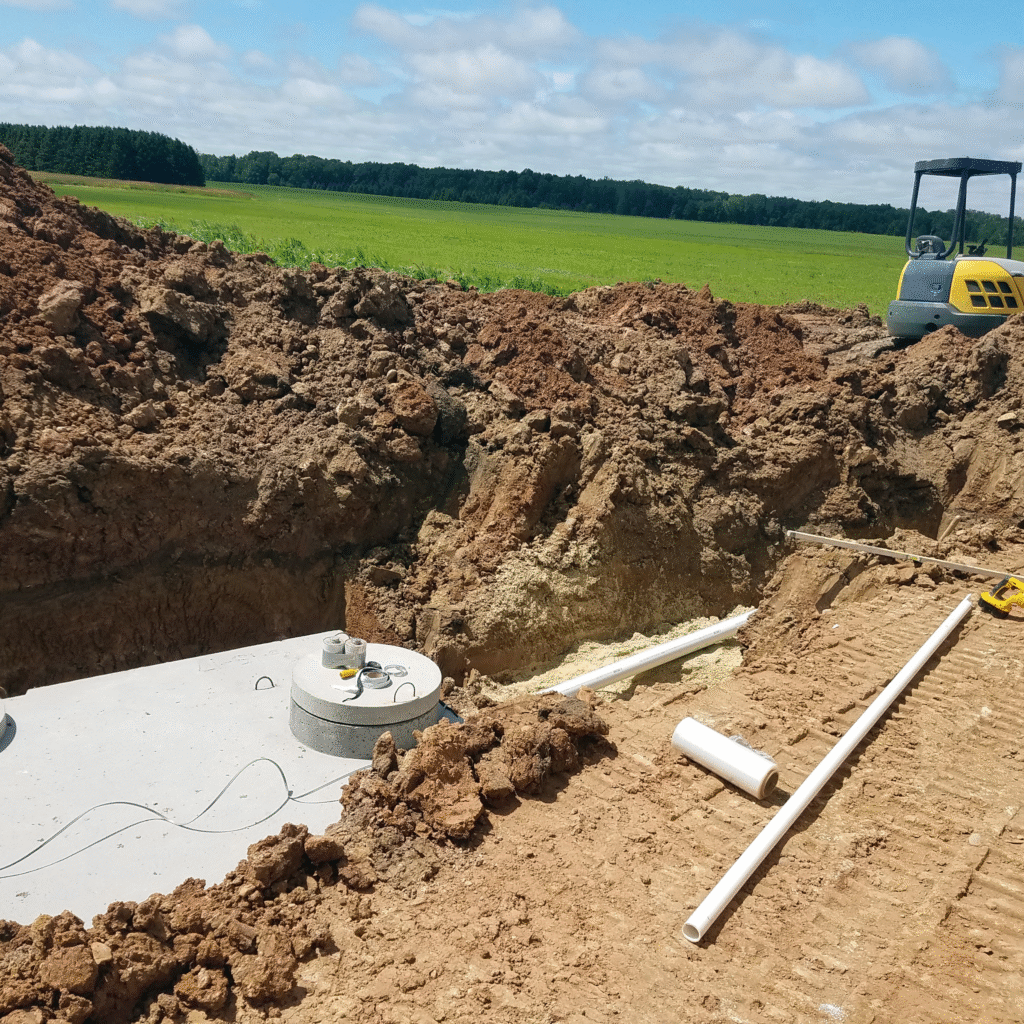
Many buyers, especially those relocating from urban areas, aren’t familiar with how septic systems work. They may have extra concerns about inspection, maintenance, and long-term costs.
The good news is, selling a home with septic is absolutely doable — especially when you know Tennessee’s rules, inspection expectations, and how to communicate clearly with buyers.
Why Septic Systems Are Common Around Memphis
While many Memphis neighborhoods are connected to city sewer, septic systems are still common in:
- Suburban & rural Shelby County
- Older properties built before sewer expansion
- Larger lots where city sewer access wasn’t available at the time of construction
A septic system essentially handles household wastewater on-site. When functioning properly, it can last for decades. But if neglected or poorly maintained, issues can arise that affect sale price, buyer confidence, and sometimes closing timelines.
Tennessee Septic Inspection Rules for Home Sales
Tennessee does not legally require a septic inspection before selling a home, but buyers or lenders often will — especially in financed transactions.
Here’s how inspections typically work in Memphis and Shelby County:
1. Licensed Inspectors or Environmental Health Departments
Most buyers hire a licensed septic inspector to evaluate the system. Some inspections may also involve the Tennessee Department of Environment and Conservation (TDEC) for records or permitting questions.
2. Inspection Scope
Typical inspections include:
- Locating and uncovering the tank
- Checking sludge levels
- Examining baffles and lids
- Inspecting drain field condition
- Running water to check flow and backups
3. Timing
Septic inspections often happen after offer acceptance but before closing, as part of the due diligence period.
4. Failure Consequences
If a system fails inspection, lenders may require repairs or replacement before closing. For cash sales, this becomes a negotiation point rather than a financing condition.
Common Septic-Related Costs in Memphis
| Item | Typical Cost Range |
|---|---|
| Basic septic inspection | $300 – $500 |
| Pumping | $300 – $600 |
| Minor repairs (lids, baffles, pipes) | $500 – $2,000 |
| Major repairs or partial replacement | $3,000 – $7,000 |
| Full system replacement | $7,000 – $15,000+ |
These are ballpark Memphis-area estimates. Actual costs depend on tank size, system age, soil conditions, and accessibility. Many buyers will expect a recent inspection and sometimes proof of pumping as part of their offer conditions.
Disclosure Requirements in Tennessee
Under Tennessee law, sellers must provide a Property Condition Disclosure unless exempt (e.g., estate sale, foreclosure). This includes septic system information, such as:
- System location
- Number of bedrooms permitted (very important for capacity)
- Known issues, repairs, or maintenance history
If you know of any septic problems, you must disclose them honestly. Hiding issues can lead to legal liability even after closing.
Buyers often request a copy of the original septic permit from TDEC, which shows the approved number of bedrooms and system design. If you don’t have it, you can usually obtain it from county records or the state.
Cash Buyer Expectations vs. Traditional Buyers
Traditional buyers — especially those using FHA, VA, or USDA loans — often have strict septic inspection and repair requirements. Any failures usually must be fixed before closing, which can delay or complicate the transaction.
On the other hand, cash buyers are typically more flexible. Professional cash home buyers in memphis often purchase properties with older or failing septic systems. Instead of demanding full replacement, they factor the costs into their offer and close quickly, often in 7–14 days.
This can be a big advantage if:
- You don’t want to handle repairs yourself
- The system is very old or near end-of-life
- You need a quick, “as-is” sale without lender red tape
Septic System Seller Checklist (Pasted Text)
Here’s a simple checklist you can follow to prepare your septic system for sale:
✅ Locate your septic tank and drain field on the property.
✅ Gather any maintenance records, permits, or inspection reports.
✅ Consider having the tank pumped before listing or inspection.
✅ Clear access to the tank for easy inspection.
✅ Check for odors, wet spots, or visible leaks around the drain field.
✅ Disclose any known problems honestly in the Property Condition Disclosure.
✅ Provide buyers with any available documentation upfront to build trust.
This isn’t mandatory, but doing these simple steps can help reduce surprises during buyer inspections and build confidence in the system’s condition.
Real Memphis Example: Selling a Home With a 25-Year-Old Septic System
A seller in Bartlett owned a 3-bedroom house with a 25-year-old original septic system.
- They hadn’t pumped the tank in 8 years.
- Records were misplaced.
- During inspection, the buyer’s inspector flagged high sludge levels and recommended pumping plus replacing baffles.
The seller got quotes:
- Pumping = $400
- Repairs = $1,200
Instead of losing the buyer, the seller agreed to credit $1,600 at closing. The buyer accepted, and the deal closed on schedule.
In another case, a seller in Arlington had a failing drain field. Retail buyers walked after inspections. A local investor offered a cash as-is price, closed in 10 days, and replaced the system after purchase.
Knowing your options — retail vs. cash — can make the difference between delays and fast closings.
FAQs
Q: Do I have to replace my septic system before selling if it fails inspection?
A: Not necessarily. For traditional buyers, lenders may require it. For cash buyers, it becomes part of negotiations.
Q: Should I pump the septic before listing?
A: Pumping before inspection is often smart. It shows maintenance and helps avoid surprises during buyer inspections.
Q: What if I don’t know where my septic tank is?
A: Contact your local environmental health department or TDEC for permit records. Inspectors can also locate tanks using probes or flushable locators.
Q: How long do septic systems last in Tennessee?
A: With proper maintenance, 25–40 years is common, depending on soil and usage.
Q: Are septic inspections mandatory for cash sales?
A: No, but most serious buyers will still inspect to understand the system’s condition and costs.
Q: Can septic issues lower my home value?
A: Yes. Major failures or unknown system status can lead to price reductions or buyer walkaways if not addressed upfront.
Final Thoughts
Selling a house with a septic system in Memphis isn’t complicated — but it does require knowledge and transparency.
By understanding Tennessee’s rules, preparing documentation, and considering buyer expectations, you can avoid delays, build trust, and keep deals moving smoothly.
Whether you choose to fix issues upfront or sell “as-is” to a cash buyer, being informed is your biggest advantage