
1. Introduction
- Importance of understanding the local Memphis housing market
Homeowners in Memphis face unique real estate conditions shaped by the city’s geography, age of housing stock, and buyer demand. Recognizing these factors is critical when selling a home that has suffered significant damage. - Why selling a damaged property is uniquely challenging
Unlike move-in-ready homes, fire-, flood-, or foundation-damaged properties often deter traditional buyers. Limited financing options, repair costs, and inspection concerns add additional hurdles. - Purpose of the guide
This guide provides Memphis homeowners with realistic expectations, practical options, and insights into navigating insurance challenges and investor-driven sales. For some, working with cash home buyers in Memphis becomes the most practical route.
2. Common Types of House Damage
- Fire Damage
In Memphis, many homes face risks from older wiring, kitchen fires, or space heater accidents. Beyond visible burns, smoke and water damage often extend deeper than homeowners realize, requiring costly repairs. - Flood Damage
Properties near the Mississippi River, Wolf River, and low-lying areas are especially vulnerable. Floods often bring hidden issues—mold growth, rotted wood, and compromised electrical systems. - Foundation Damage
Memphis’s expansive clay soils cause homes to shift, crack, and settle unevenly. Signs include wall cracks, uneven floors, and sticking doors or windows. Foundation repairs can be among the most expensive fixes a homeowner faces.
3. Insurance Hurdles and Financial Considerations
3.1 Navigating Insurance Claims
When a home suffers fire, flood, or structural damage, the first step is often filing an insurance claim. In Memphis, insurers typically send adjusters to evaluate the extent of the damage and calculate repair costs. However, homeowners frequently find that these assessments fall short of actual repair needs.
Delays in claim approvals, disputes over what damage is covered, and underpayments are common frustrations for Memphis homeowners. This leaves many sellers caught between expensive repairs and limited insurance payouts.
3.2 Coverage Limitations
One of the biggest surprises for homeowners is discovering what their policy does not cover. Standard homeowners’ insurance rarely includes flood protection — that usually requires a separate flood insurance policy through FEMA or private providers.
Foundation issues pose another challenge. Some policies exclude foundation damage altogether, while others place strict caps on how much can be reimbursed. Fire damage is more commonly covered, but even then, smoke and water damage repairs may not be fully compensated.
3.3 Out-of-Pocket Costs
Even with insurance, homeowners are often left with significant expenses. Deductibles must be paid before coverage kicks in, and many policies exclude certain types of repairs. Additional costs may include:
- Mold remediation after flooding.
- Structural inspections not covered by insurance.
- Code-compliance upgrades required during rebuilding.
These financial hurdles can make repairing a property difficult, pushing many Memphis homeowners to consider selling “as is” to investors instead.
4. Investor Expectations and Market Realities
4.1 Who Buys Damaged Homes in Memphis?
Damaged homes often fall outside the scope of traditional buyers who need mortgage financing. Instead, the market in Memphis is driven by:
- Cash Buyers who specialize in distressed properties.
- House Flippers looking to renovate and resell at a profit.
- Local Investment Groups and we buy houses Memphis companies that prioritize speed and simplicity
These buyers are experienced in handling repairs and can close quickly, making them a common solution for homeowners facing severe damage.
4.2 Pricing Expectations
Selling a damaged property in Memphis requires adjusting expectations. Investors factor repair costs, time, and risk into their offers. This often means:
- Offers are typically 40% to 70% of the After-Repair Value (ARV).
- The more severe the damage, the steeper the discount.
- Location plays a key role — properties in high-demand neighborhoods may still attract competitive bids even if damaged.
4.3 What Investors Look For
While condition is important, investors evaluate more than just the visible damage. Key considerations include:
- Neighborhood Value: Is the property in an area where renovated homes sell quickly?
- Repair vs. Return: Do projected renovation costs leave room for profit?
- Speed of Transaction: Investors prioritize straightforward sales with minimal delays.
For sellers, understanding these expectations helps set realistic goals and avoid frustration during negotiations.
5. Memphis Case Study
5.1 Background
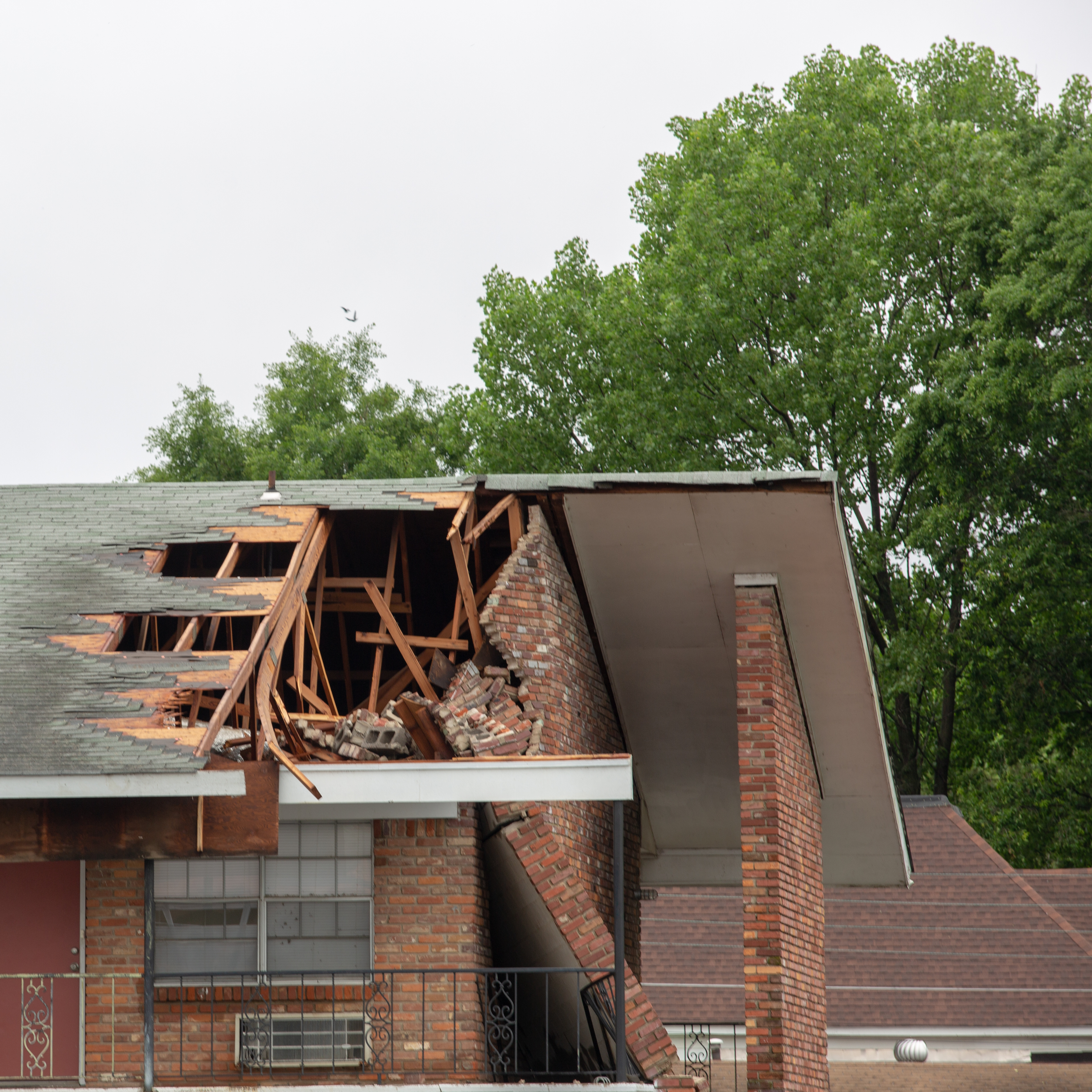
A homeowner in the Frayser neighborhood faced significant damage after a kitchen fire spread into the attic and roof. The house, built in the 1970s, already had outdated wiring and an aging HVAC system, which compounded repair costs.
5.2 Challenges
The homeowner filed an insurance claim, but the payout only covered about 60% of the estimated repair costs. With limited savings, they were unable to make up the difference. The property sat vacant for months, during which it suffered vandalism and water intrusion from a leaky roof. Listing the house on the traditional market wasn’t realistic — lenders wouldn’t finance such a heavily damaged property.
5.3 Resolution
Instead of continuing to pour money into repairs, the homeowner connected with a local real estate investor. The investor inspected the property, made a cash offer, and closed within 30 days. While the sale price was well below market value for a renovated home, it allowed the seller to:
- Avoid costly repairs and carrying expenses.
- Eliminate ongoing insurance premiums and property taxes.
- Walk away with immediate cash to relocate and move forward.
The investor then renovated the property — replacing the roof, rewiring electrical systems, and updating the kitchen — and resold it six months later at a profit.
This case highlights how Memphis homeowners with heavily damaged properties can still find a way forward, even when insurance falls short.
6. Selling Options for Damaged Homes
Homeowners in Memphis with fire-, flood-, or foundation-damaged houses typically have three main paths to consider. Each option comes with its own trade-offs in terms of time, cost, and final sale price.
6.1 As-Is Sale to Investors
- Pros: Fastest and simplest option. Cash buyers are willing to purchase properties regardless of condition, often closing within weeks. No repairs, inspections, or showings required.
- Cons: The sale price is usually lower, as investors factor in repair costs and profit margins.
This option is best for homeowners who need to move quickly, can’t afford repairs, or want to avoid the stress of dealing with contractors.
6.2 Repair and List on the Market
- Pros: Making repairs before listing can attract traditional buyers who use financing, often leading to a higher sale price. Homes in popular Memphis neighborhoods can command strong resale values once renovated.
- Cons: Requires significant upfront investment in repairs and renovations. The process can take months and may involve unexpected costs.
This route works best for homeowners with available funds, time, and confidence that repairs will boost resale value.
6.3 Hybrid Approach
- Pros: Some sellers choose to make partial, lower-cost improvements — such as roof patching, cosmetic updates, or mold remediation — to make the property more appealing while avoiding full renovations.
- Cons: Still requires money and time, and may not eliminate all buyer financing obstacles if major issues remain.
This strategy is often used when sellers want to raise their asking price slightly but don’t want to commit to a full-scale renovation.
7. Conclusion
Selling a fire-, flood-, or foundation-damaged house in Memphis presents unique challenges — from insurance limitations to investor-driven pricing. Yet, these properties still hold value, especially in a market where local buyers and investors are experienced in handling distressed homes.
For homeowners, the key is to weigh the cost of repairs, the limitations of insurance coverage, and the speed of investor offers. While repairing and listing may yield a higher price, many Memphis sellers find that an as-is sale provides the fastest, least stressful solution.
This option is best for homeowners who need to sell my house fast Memphis TN, can’t afford repairs, or want to avoid the stress of dealing with contractors..