When selling a house in Memphis, nothing derails a deal faster than a bad home inspection. Even when you’re selling “as-is,” buyers will often bring in inspectors — and their findings can scare off potential buyers, delay closings, or lead to steep price reductions.
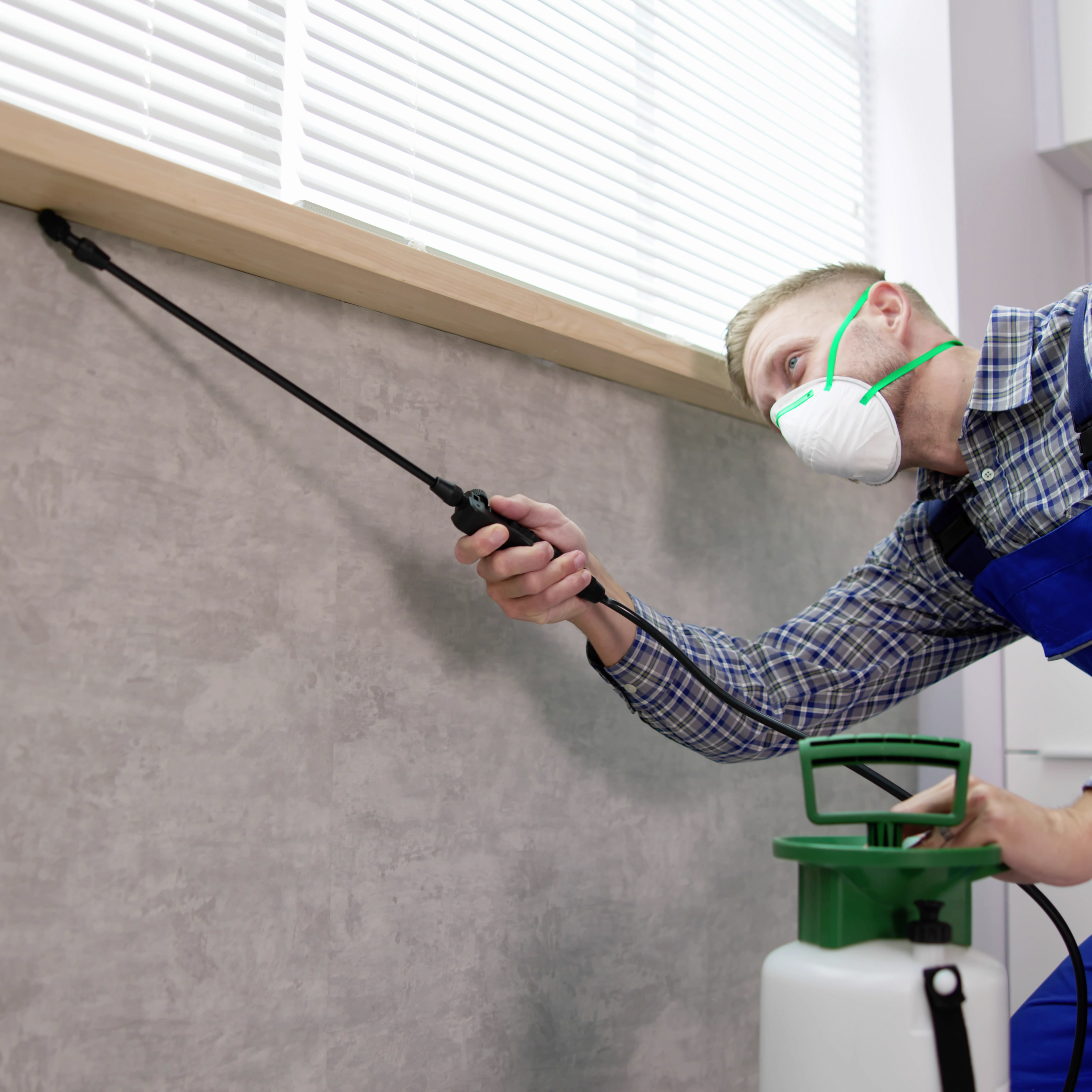
And while most sellers expect the usual cosmetic issues, the biggest surprises that kill deals are often things you don’t see every day: termites, mold, hidden water damage, or pest infestations lurking behind walls.
Understanding these red flags, fixing what’s reasonable, and setting clear expectations can help you avoid losing serious buyers right before closing.
Why Inspections Matter — Even in Cash Sales
Some sellers think cash buyers won’t bother with inspections. In reality, most professional investors still do some level of inspection to calculate their renovation budgets and verify the home’s condition.
While their standards are usually more flexible than traditional buyers, major red flags like structural issues, termites, or extensive mold can still cause:
- Lower revised offers after inspection
- Delayed closing timelines
- Walk-aways if the scope is bigger than expected
Even for “as-is” deals, knowing what might come up lets you get ahead of the surprises instead of reacting under pressure.
Common Pest-Related Red Flags in Memphis Inspections
Memphis’s warm climate and older housing stock make certain pest issues especially common. Here are the main culprits inspectors often find:
1. Termites and Wood-Destroying Insects
Termites are one of the top inspection deal-killers in Memphis.
- Subterranean termites thrive in our humid environment.
- Signs include hollow-sounding wood, mud tubes, sagging floors, or damaged joists.
- A termite letter is often required for financed sales, and even cash buyers will factor treatment costs into their offer.
Typical treatment cost in Memphis: $800–$2,500 depending on severity.
2. Rodents and Small Animals
Attics and crawl spaces are frequent hiding spots for:
- Mice and rats
- Raccoons
- Squirrels
Inspectors often check for droppings, chewed wires, or nesting material. Rodent issues can raise health and wiring safety concerns.
3. Cockroaches, Ants, and Other Insects
German cockroaches are a common urban inspection finding. While they don’t structurally damage homes, they can alarm buyers — especially if infestations are visible during walk-throughs.
Ant trails, carpenter ants, and wasp nests also show up frequently.
4. Mosquito and Spider Infestations
Standing water around foundations and neglected yards can become mosquito breeding grounds, raising inspection notes on drainage and exterior maintenance.
Spiders (especially brown recluses, which are common in the Mid-South) can spook buyers, even if the issue is easy to treat.
5. Crawl Space Critters
In older Memphis homes, inspectors often find evidence of critters in crawl spaces — everything from feral cats to snakes. It’s not always dangerous, but it signals lack of maintenance, which can reduce buyer confidence.
Mold, Water, and Hidden Damage
Beyond pests, mold is one of the biggest inspection red flags that causes Memphis buyers to walk away or demand steep discounts.
Why Mold Matters:
- Health concerns: Mold can trigger allergies, respiratory issues, and legal disclosure obligations.
- Hidden water problems: Mold usually signals leaks, drainage issues, or HVAC problems.
- Lender limitations: Even some cash buyers funded by private lenders may avoid moldy homes.
Typical remediation costs in Memphis:
- Minor (bathroom/closet): $1,000–$2,000
- Crawl space or attic: $3,000–$8,000
- Major house-wide remediation: $10,000+
Structural Surprises Behind Inspection Reports
Sometimes pest or moisture issues mask deeper structural problems. For example:
- Termites may weaken support beams, causing foundation settling.
- Long-term water intrusion may rot joists or subflooring.
- Crawl space neglect can lead to sagging floors, especially in Midtown and older East Memphis neighborhoods.
Inspectors will call these out, and buyers often overestimate repair costs — sometimes triple what contractors would actually charge — leading to large price drops if you’re not prepared.
Prevention Checklist (Pasted Text)
Here’s a simple prevention list you can use to reduce red flags before inspection:
✅ Schedule a termite inspection or treatment if the home hasn’t had one recently.
✅ Seal foundation cracks, gaps, and utility penetrations to block rodents and insects.
✅ Clean out crawl spaces and attics to remove nests and debris.
✅ Eliminate standing water around the foundation to reduce mosquitoes.
✅ Keep gutters clean and downspouts extended away from the house.
✅ Replace or repair damaged wood to prevent further termite activity.
✅ Address small leaks promptly to avoid mold growth.
✅ Ventilate damp spaces and run dehumidifiers if needed.
✅ Do a visual walkthrough for visible pests, droppings, or water stains before listing.
These aren’t expensive steps — but they signal to buyers and inspectors that the property is cared for, and they help prevent panic over minor issues.
Negotiating After Inspection: Staying Calm and Strategic
Even if an inspector uncovers pest or mold issues, that doesn’t mean the deal is dead. Here’s how smart sellers in Memphis handle it:
- Get your own quotes. Don’t accept the buyer’s inflated “repair estimate.” Local pest control and remediation pros can often handle issues quickly and affordably.
- Address health/safety issues first. Buyers are most concerned about problems that affect safety or structure.
- Offer credit or small repairs strategically. A $1,500 termite treatment credit might save a $200,000 deal.
- Work with experienced buyers. Professional memphis home buyers often expect some level of pests, mold, or age-related issues and price accordingly. Their inspections are usually more about confirming, not renegotiating everything.
Real Memphis Example: Inspection Save
A seller in Bartlett listed an older home “as-is” and received a strong cash offer. During inspection, the buyer’s team found:
- Moderate termite activity
- Mold in the crawl space
- Evidence of mice in the attic
The buyer asked for a $15,000 price reduction. Instead of panicking, the seller got:
- Termite treatment quote: $1,200
- Mold remediation quote: $3,500
- Attic cleaning quote: $800
Total real cost: $5,500. They countered with a $6,000 credit, the buyer accepted, and the deal closed on time.
By understanding the issues and responding strategically, the seller kept $9,000 more than if they had accepted the first request.
FAQs
Q: Do cash buyers in Memphis skip inspections?
A: Most don’t. Serious buyers still inspect to understand repair costs, though they’re often less picky than retail buyers.
Q: How much termite damage is a dealbreaker?
A: Minor activity isn’t a dealbreaker for most cash or experienced buyers. Structural damage, however, can affect pricing or timelines.
Q: What if I discover mold before listing?
A: It’s best to remediate or disclose honestly. Hiding mold can lead to legal problems later.
Q: Are pest treatments required for cash deals?
A: Not legally, but many buyers will require a termite letter or factor treatment costs into their offer.
Q: Should I get a pre-inspection before selling?
A: If your home is older or vacant, a basic pest and mold check can help you control the narrative during negotiations.
Q: How fast can pest or mold remediation be done?
A: Termite treatments often take 1–2 days. Mold remediation depends on severity — minor jobs can be completed in under a week.
Final Thoughts
Pests, mold, and hidden damage are some of the biggest inspection red flags that derail Memphis home sales — but they don’t have to.
By understanding common issues, taking a few preventive steps, and responding calmly during negotiations, you can keep deals intact and protect your bottom line.
Whether you’re selling traditionally or to a cash buyer, being proactive about inspections can mean the difference between a smooth closing and a last-minute collapse.